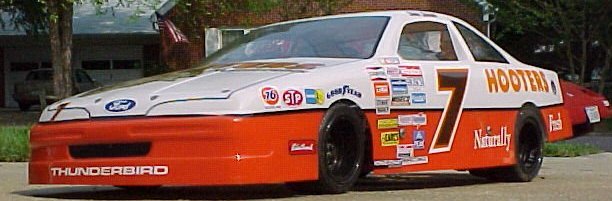
I measured and cut the plywood chassis and mounted the front suspension parts and the transaxle to it. The suspension was tuned by bending the piano wire to set camber, caster and toe front and rear. I carefully measured and bent the wire according to the instructions that came with it until it was perfect. I mounted the flywheel/clutch assembly to the front of the engine and mounted this to the plywood. It was now time to fire this thing up.
I first ran this contraption in the parking lot of our apartment building and hit a wheel on one of the cars in the lot. No damage to the car, but there was a big black streak across the nose of my silver Corvette. What a sad feeling, months of building and pains takingly painting and buffing that 'vette paint job, only to be ruined in the first five minutes of it's first run. I tried to buff out the black rubber mark, but I could still see it. The car sat in a showcase in my local hobby shop, where I worked after school, until I decided to sell it.
That pretty much was the end of my RC car adventure for several years until I bought a Cox one-tenth scale ready-to-run electric car. I soon got bored with that because of the short running time with batteries and I discovered girls. Well I have recently renewed my interest in RC cars. One day while surfing the internet I discovered quarter scale cars. This really wasn't my first exposure to these four foot beasts. On one of my business trips to California, I was visiting a hobby shop near my hotel and saw a quarter scale midget car sitting behind a counter. It didn't take long before I was dreaming of building and running one of these things. I began prototyping a chassis out of plywood again and soon transitioned to copper water pipe. I got a weed wacker engine from one of the stores going out of business and modified it for use. Now I was ready for the next step in the design process. My wonderful, patient wife gave me a really nice Lincoln Welder for Christmas, (Yeah guys, this woman actually gives me things I want, not clothes. Last year it was a mini lathe.) so I went out and bought some mild steel tubing and have begun to make the production chassis.
I searched and searched the web for more and more information, but there isn't very much out there. I found a conference site sponsored by SAV-ON Hobbies, Starting Grid Conference where some pretty knowledgeable people hang out, the Quarter Scale Auto Club site, several car builders sites and a few personal sites, but no where could I find all of my many building questions answered. Finally I broke down and bought a used car to see just how these things were made.
Well now I am ready to set this thing up and being the inquisitive person that I am, I wanted information. I don't like to do things without knowing why so I ordered a book from the Society of Automotive Engineers (SAE) titled "Chassis Engineering, Chassis Design, Building & Tuning for High Performance Handling" by Herb Adams. This is a very good reference book.
Well if you have stuck with me so far, I will now get to the purpose of these pages. In looking for the information I wanted, I realized that there was very little documentation on chassis building and physics. So here we are. My attempt at filling in the hole. If you do not agree or have reference material which differs from what I will be presenting please let me know. If it is reference material, please give me the name, title or whatever you have so that I can read it and correct things if necessary. If it is your opinion I'll be glad to listen. So here we go.
I just recently found this excellent website which does what I had intended to do here,
give you an education in automobile dynamics. Bruno 'Elvo' Heremans'
site goes into the detail I wanted for my site, but I see
no need for repeating his very well detailed site here. Please visit his site and tell him I sent you!
R/C Car Handling, An Introduction to Vehicle Dynamics

Send Comments and Suggestions to:
steve.stevens.bbq@cox.net